


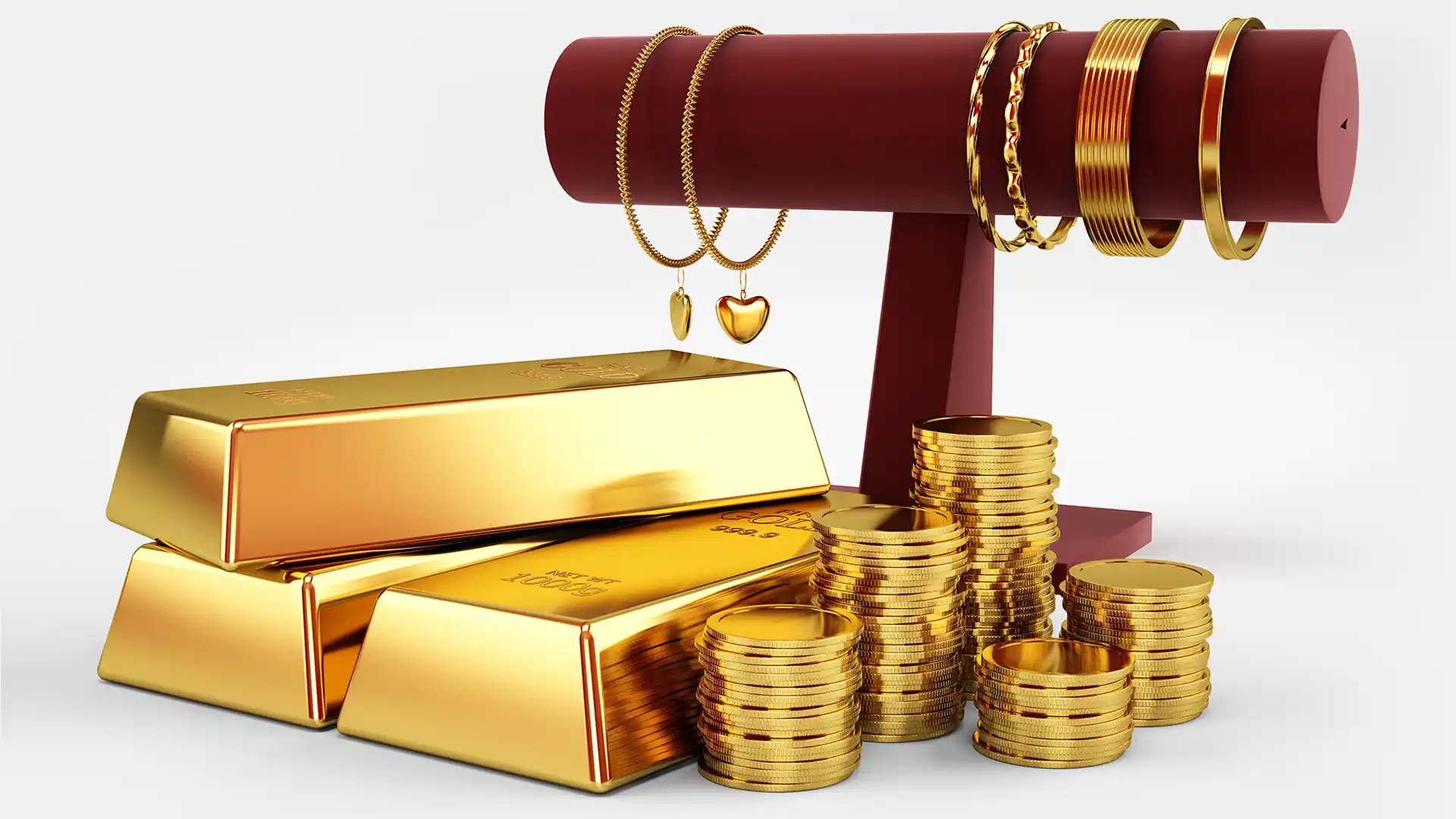
Old gold exchange is becoming a bigger part of jewellery buying. Industry estimates show that some jewellers have reported a 60% year-on-year increase in old gold exchange transactions. Exchange-led purchases now account for almost half of sales at leading jewellery chains.
This means more buyers are using gold they already own to buy new jewellery. Instead of paying the full amount in fresh cash, they are adjusting the value of old jewellery against the new purchase.
The change is closely linked to elevated gold prices, higher import duty and value-conscious buying. It also shows a practical shift in how household gold is being used. Gold that was stored at home is now being exchanged, upgraded or sold depending on the need.
For buyers who do not want new jewellery, the option to sell old gold also becomes relevant. Exchange and selling are different, but both allow people to unlock the value of existing gold.
Old gold exchange has moved from being an occasional choice to a planned purchase route. Many customers are bringing old jewellery to stores and using its value to buy new pieces.
The reported rise in exchange-led purchases shows that buyers are not only looking at new gold buying. They are also looking at the gold they already own.
This shift matters because gold is widely held in households. When old jewellery comes back into circulation, it helps buyers manage purchase costs. It also supports the formal gold market by bringing stored gold back into use.
The main reason is the high value of gold during the reported period. Recently, the price of 24-carat gold was reported at ₹1,56,086 per 10 grams, compared to ₹99,961 per 10 grams a year earlier.
At such levels, old jewellery carries strong value. Buyers can use that value to reduce the fresh cash needed for new jewellery.
This is useful when the purchase amount is large, such as wedding jewellery, festive purchases or family jewellery upgrades. It also helps buyers move from older pieces to newer designs without starting the purchase from zero.
The trend also shows that buyers are becoming more careful about value. Many are looking for jewellery that is wearable, useful and worth the cost.
The effective import duty on gold was increased to 15% from 6%. This has made the use of household gold more important in the larger gold market.
India imports nearly 900-1,000 tonnes of gold every year. Indian households are estimated to hold around 25,000 tonnes of gold. When old gold comes back into circulation, it can reduce the need for fresh imports over time. This is why old gold exchange is not only a jewellery-buying trend. It also has an economic angle.
Also Read: Silver and Gold Import Duty Hiked to 15%: What Changes for Buyers and Investors?
The old way of buying jewellery was often linked to weight, occasion and tradition. That still matters, but buyers are also looking at how useful a piece will be.
Lighter-weight designs, modular bridal jewellery and wearable pieces are getting more attention. These choices help buyers balance design, use and value.
Old gold exchange fits this shift. A buyer can use existing gold to buy jewellery that suits current needs better. The buyer stays invested in gold, but changes the form of jewellery owned.
In an old gold exchange, the buyer gives old jewellery to a jeweller. The jeweller checks the purity and weight of the gold.
The value is calculated based on the gold rate, purity and net gold weight. This amount is then adjusted against the price of the new jewellery.
The buyer pays the remaining amount after the exchange value is deducted.
The full weight of an old jewellery piece may not be counted as gold. Stones, beads, enamel work and other non-gold parts are not valued as gold. Making charges paid on old jewellery are also not treated like gold value during exchange.
This is why the final exchange value can be lower than what the buyer expects.
Old gold exchange and selling old gold are not the same.
Old gold exchange works when the buyer wants to purchase new jewellery. The value of old jewellery is adjusted against the new purchase.
Selling old gold works when the person wants money instead of another jewellery item. This option is useful when liquidity is the main need.
Exchange is suitable for jewellery upgrades. Selling is suitable when there is no immediate plan to buy new jewellery.
Both options can make sense. The right choice depends on the purpose.
Check the gold rate being applied. The final value depends on the rate used during evaluation.
Ask how purity will be checked. Purity has a direct impact on the value of old gold.
Check the net gold weight. Stones, beads and non-gold parts can reduce the final value.
Understand deductions clearly. Ask what is being deducted and why.
Carry the old bill or certificate if available. It can make the process easier.
If exchanging old gold for new jewellery, check the making charges on the new piece. A high exchange value may not help much if the making charges on the new jewellery are very high.
Also check hallmarking details before buying new jewellery.
Also Read: Selling Gold? 7 Important Things to Know Before You Do
The decision should depend on need, not only on price.
Exchange old gold if the goal is to buy new jewellery. This can reduce fresh cash payment and help upgrade older pieces.
Sell old gold if the goal is liquidity. This works when the buyer wants money and does not want to buy jewellery immediately.
Keep old gold if the jewellery has strong family, emotional or long-term value. Not every piece needs to be exchanged or sold.
A wise approach can be a mix of all three. Buyers can keep important jewellery, exchange pieces that are no longer useful and sell old gold when funds are needed.
For large quantities or high-value decisions, it is better to take guidance from trusted professionals. This helps buyers understand purity, valuation, deductions and the better option for their need.
Exchanging old gold is often suitable when the goal is to buy new jewellery. However, if there is no immediate jewellery requirement, there may be other options worth considering. The value from old gold can be used to purchase gold coins, gold bars, or other bullion products that can be held as an investment and converted into jewellery later if needed. Selling old gold may be more relevant when liquidity is the priority, while keeping it may make sense when the piece carries sentimental or family value. The right decision ultimately depends on financial goals, emotional importance, gold value, and future plans.
It depends on the goal. Exchange is useful when the buyer wants new jewellery. Selling old gold is useful when the buyer wants money instead of another jewellery purchase.
Selling old gold can be better if liquidity is the main need. Exchange can be better if the buyer wants to upgrade to new jewellery. The right choice depends on the purpose.
Yes. For large amounts, buyers should take guidance from trusted professionals. This helps them understand purity, valuation, deductions and the better option for their need.
Raksha Bandhan celebrates the bond of love, trust and support between siblings. A sister ties a Rakhi on her brother’s wrist and wishes for his happiness and well-being. The brother, in turn, promises to stand by her and support her through life.
Families gift it to celebrate milestones. Parents pass it on to their children. Jewellery is redesigned to suit changing tastes. Old ornaments are exchanged for new ones. Coins and bars become long-term savings. Every generation finds a different purpose for the same precious metal.
Selling gold may be a practical option when you need permanent access to funds and do not plan to keep the asset. Once the transaction is complete, ownership is transferred and there are no future repayment obligations. Here are some situations where selling gold make sense: