


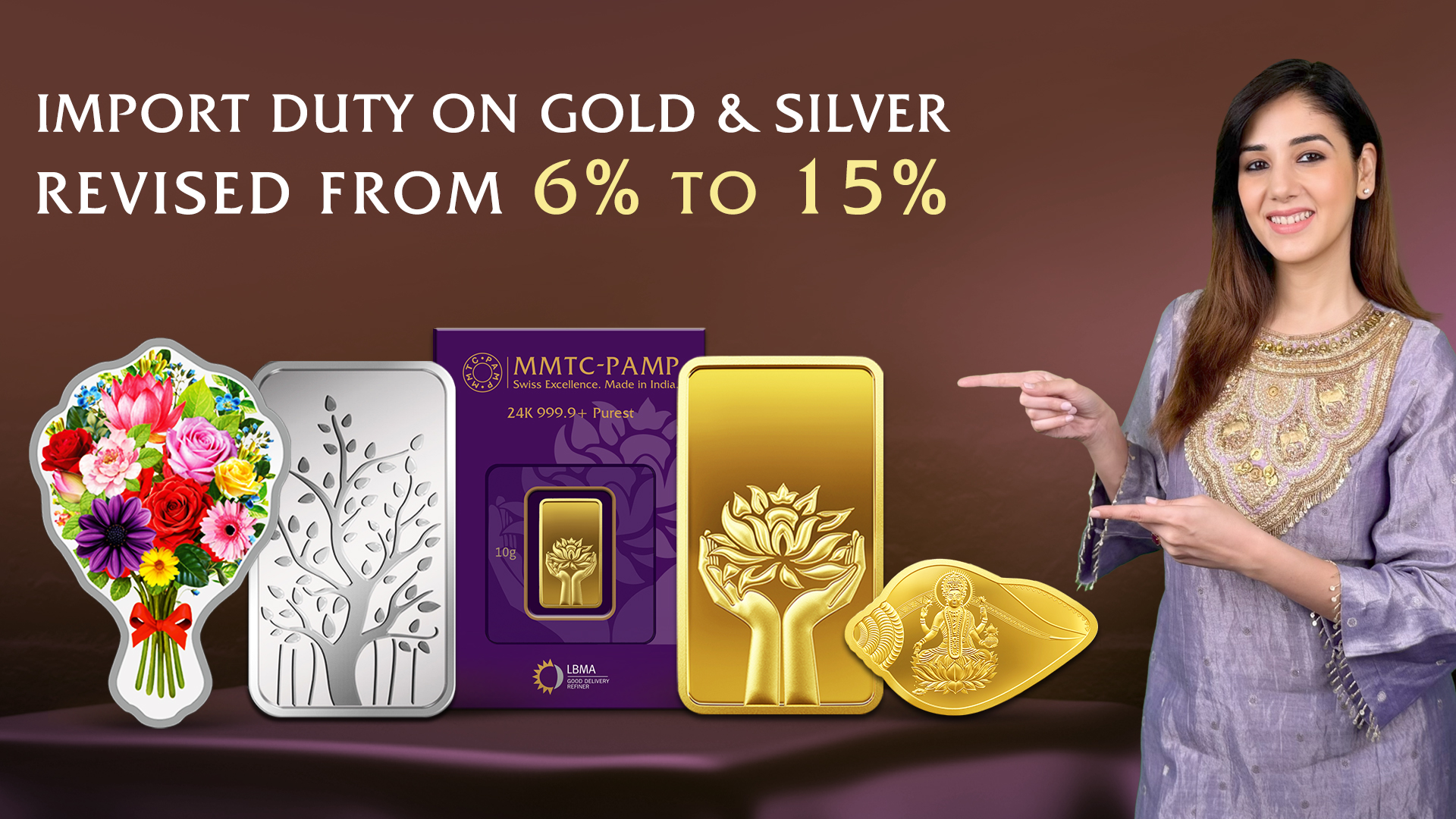
India has once again increased the import duty on gold and silver, taking the total effective duty to 15% from May 13, 2026. The move has immediately brought attention to jewellery prices, bullion markets and even the broader economy because gold continues to hold an important place in Indian households as both a purchase and a form of savings.
The latest revision is also connected to India’s import bill, dollar outflow, foreign exchange reserves and growing pressure on the economy due to global uncertainty and rising commodity prices.
What Exactly Has Changed?
Until now, imported gold attracted a total duty of around 6%. This included:
5% Basic Customs Duty (BCD)
1% Agriculture Infrastructure and Development Cess (AIDC)
Under the revised structure announced from May 13, 2026:
Basic Customs Duty has increased to 10%
AIDC has increased to 5%
Together, this takes the effective import duty on gold and silver to nearly 15%.
The revision does not apply only to gold jewellery. The higher duty structure also impacts other precious metals such as silver and platinum, along with bullion products like gold coins and silver coins. Small jewellery components known in the industry as findings have also seen revised duty rates. These include hooks, clasps, screw backs, catches and connectors used during jewellery manufacturing. Under the revised structure, gold and silver findings attract 5% duty, while platinum findings attract 5.4% duty.
Interestingly, this is a complete reversal from Budget 2024, when the government had reduced gold import duty from 15% to 6% to encourage legal imports and support the jewellery industry.
Why Has the Government Increased Gold Duty Again?
India imports most of the gold it consumes. That means every large increase in imports also increases the country’s dollar spending abroad.
When imports rise sharply, more dollars leave India. This can put pressure on the rupee, widen the trade deficit and increase concerns around the Current Account Deficit (CAD).
At the same time, India is already dealing with multiple global pressures, including:
Higher crude oil prices
geopolitical tensions
Global uncertainty
Rising treasury yields
Inflation concerns
Since India imports most of its crude oil as well, the country’s import bill rises significantly during such periods. In this environment, the government often tries to reduce non-essential imports that require large dollar outflows.
From an economic perspective, gold is treated differently from imports like machinery or industrial raw materials. However, reducing demand in India is never straightforward because precious metals are closely linked to weddings, festivals, gifting traditions, savings habits and financial security for many families.
The latest increase is aimed at reducing import pressure and protecting foreign exchange reserves during a period of global uncertainty.
What Happens to Gold Prices After a Duty Hike?
When import duty increases, the landed cost of imported gold also rises. This usually affects domestic gold prices because jewellers and bullion dealers are purchasing at a higher cost.
However, the final retail price consumers see is not decided by import duty alone.
Gold prices in India are also influenced by:
International bullion prices
Rupee-dollar movement
GST
Making charges
Local demand
Inventory purchased earlier at lower duty rates
What the Duty Hike Means for Silver Prices
The revised structure applies to silver imports as well, which means domestic silver prices may also respond to the higher landed cost.
Silver often reacts differently from gold because industrial demand also plays a major role in pricing. Apart from jewellery and investment demand, silver is widely used in electronics, solar energy, manufacturing and industrial applications.
Because of this, silver prices are influenced by both economic activity and bullion sentiment.
After the duty hike announcement, market reports suggested stronger momentum in domestic silver trading as markets adjusted to the revised tariff structure. Investment products such as silver coins may also reflect the higher import cost over time, especially during festive and gifting seasons when retail demand rises.
What Does This Mean for Investors?
For investors, the duty hike matters because it can push domestic gold and silver prices higher even when international prices remain stable. Since India imports most of the gold and silver it consumes, higher duties increase the overall cost of precious metals in the local market.
This becomes especially important while buying products such as gold ETFs, gold bars, silver bars, gold coins or silver coins, where domestic pricing may rise after such revisions.
During periods of sudden price movement, avoiding rushed purchases and focusing on long-term allocation can help manage short-term volatility more practically.
Why Gold Imports Matter to India?
India imports most of the gold it consumes, which means large gold purchases increase the country’s dollar outflow. When imports rise sharply, pressure on the trade deficit and the Current Account Deficit (CAD) can also increase.
In simple terms, CAD refers to a situation where the country spends more foreign currency on imports than it earns through exports and services.
This becomes especially important during periods when crude oil prices are already high because India imports most of its energy requirements as well. Rising oil and gold imports together can increase pressure on foreign exchange reserves and the rupee.
This is one of the main reasons why the government closely monitors gold and silver imports during periods of economic uncertainty.
Gold Import Duty Has Changed Earlier Too
India’s gold import duty has changed multiple times over the years depending on economic conditions. Before 2012, import taxes on gold remained relatively low. As gold imports increased and the trade deficit widened, duties were gradually raised between 2012 and 2013.
In 2022, the effective duty was raised to around 15% to reduce import pressure and control dollar outflow. Then, in Budget 2024, the government reduced duty to 6% to support the jewellery industry and encourage legal imports.
Now, in 2026, the structure has once again been revised upward to 15%.
These revisions show how import duty is often used as an economic policy tool during periods of currency pressure, rising imports or global market volatility.
Conclusion
For buyers and investors, understanding the latest duty revision is important because import duty directly affects pricing across jewellery and precious metal products in India. This guide explains what changed, why the government increased the duty and how it could affect the market going forward.
Knowing these changes can help buyers plan purchases more carefully during periods of price fluctuation. It can also help investors understand how import costs, government decisions and global market conditions together influence domestic pricing and market sentiment.
A digital gold SIP is a recurring purchase feature within the existing digital gold service. Users decide the amount they want to purchase with each instalment and select how frequently those purchases should take place.
Gold, in particular, has remained a favourite across generations. For many Indian families, bringing home gold during Dussehra is a way of celebrating success, welcoming new beginnings and owning something they can treasure for years.
Karwa Chauth brings an opportunity to celebrate that bond. With traditions centred around love and togetherness, the festival is also a chance to appreciate the person who shares life's biggest milestones and smallest joys with you.