


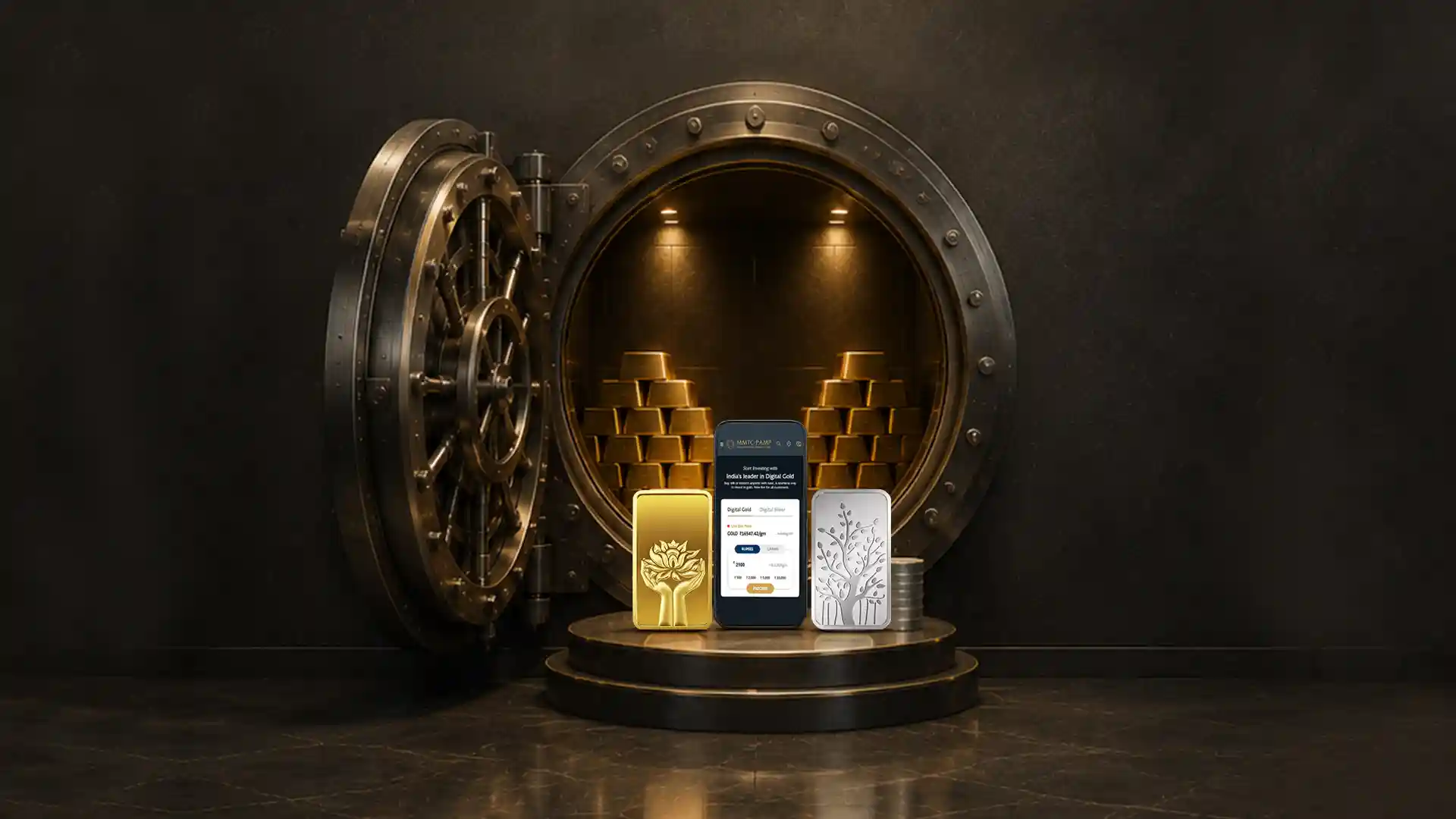
Gold can be held in physical or digital form. Physical jewellery, coins and bars, however, need an appropriate storage arrangement. Digital Gold does not require buyers to arrange separate storage because the corresponding physical gold is stored by the provider or its appointed custodian.
Professional vaults, home safes and bank lockers offer different levels of access, security and cost. The choice depends on the quantity and value of the gold, how frequently it is needed and the terms offered by the storage provider.
Accessibility is important when comparing storage options. Jewellery worn regularly may need to remain within reach, while gold coins and bars held for longer periods may not require frequent access.
Cost also varies. A home safe usually involves an initial purchase, while professional vaults and bank lockers generally involve recurring charges. Insurance, access conditions and the provider’s responsibility in case of loss should also be checked before making a decision.
A professional vault is a specialised facility used for storing valuables outside the home. Depending on the provider, it may include controlled entry, surveillance, biometric verification, alarm systems and fire-protection measures.
This option may be considered for gold that is not required regularly or for holdings that need storage outside the residence. Access hours, rental charges and security arrangements vary across providers.
Insurance should not be assumed to cover the full value of the gold. The agreement should clearly state the risks covered, compensation limits, access rules and documentation required for a claim. Claims such as round-the-clock access or complete replacement cover should also be verified before selecting a service.
Digital gold offers an alternative for buyers who do not want to arrange separate storage for physical gold. MMTC-PAMP Digital Gold is backed by 24K gold, with the purchased quantity stored in secure and insured bank-grade vaults. Storage is provided free of cost for five years. Buyers can track their holdings online and sell or redeem them according to the applicable terms.
Home storage provides immediate access and direct control. It may be suitable for jewellery worn frequently or a limited quantity of gold that needs to remain readily available.
An ordinary cupboard, drawer or portable cash box may not provide sufficient protection. A home safe should have suitable burglary- and fire-resistance specifications and should be securely fixed to a wall or floor. The location should remain discreet and protected from moisture, leakage and excessive heat.
Home security measures such as controlled entry, alarms and surveillance can provide additional protection. Details about the quantity and location of the gold should be shared only where necessary.
Insurance terms should also be reviewed. A standard home insurance policy may not automatically cover jewellery or precious metals up to their full value. Purchase invoices, photographs, weight, purity and valuation records should therefore be maintained separately.
A bank locker keeps gold outside the residence within the bank’s secured locker facility. It may suit gold bars, coins and jewellery that are used occasionally.
Locker availability and rent vary by bank, branch location and locker size. Access is generally permitted only during the branch’s operating hours and according to its procedures.
At the time of allotment, a bank may obtain a term deposit covering three years of locker rent and the applicable break-open charges. RBI guidance states that this should not be imposed on existing locker holders or customers with satisfactory operating accounts.
Banks do not normally record or value the contents placed inside individual lockers. Customers should therefore maintain their own inventory, invoices and photographs.
Bank liability is also subject to limits. Under RBI directions, where a loss is attributable to the bank due to specified incidents such as fire, theft, burglary, building collapse or employee fraud, liability is limited to 100 times the prevailing annual locker rent. This amount may not reflect the market value of the contents. Separate insurance may therefore be considered.
Regardless of where physical gold is stored, clear records can help establish its ownership, purity and value. These may include the purchase invoice, weight, purity, item description, photographs and valuation documents. The HUID of hallmarked gold jewellery can be checked through the Verify HUID feature on the BIS Care app. Copies of important documents should be kept separately from the gold. Secure digital copies can also help preserve the information if the physical documents are lost or damaged.
A professional vault may be considered for gold that is held for longer periods or needs specialised storage outside the home. The provider’s security arrangements, insurance terms, access rules and fees should be reviewed carefully.
Home storage offers immediate access and may be practical for frequently worn jewellery or limited holdings. Its suitability depends on the quality of the safe, residential security and available insurance.
A bank locker may work for gold that is used occasionally. It offers storage outside the residence, although access is restricted by branch timings and the bank’s liability may not equal the value of the contents.
There is no single storage option that suits every holding. The decision should be based on the form and value of the gold, the required frequency of access, the associated cost and the protection provided under the applicable terms.
It does not have to be. Frequently used jewellery can remain in a secure home safe, while larger or long-term holdings can be stored in a locker or private vault. This balances access and protection.
Keep purchase invoices, photographs, weight and purity details, valuation certificates, hallmark information, HUID details and insurance records. Store copies separately from the jewellery.
Yes, provided they are kept in a properly secured safe. Their invoices, certificates and original packaging should also be preserved. Larger holdings may require stronger protection outside the home.
No. The physical gold corresponding to the digital holding is stored through the provider’s custody arrangement. The customer should still check the storage, insurance, charges, sale and redemption terms.
Planning money together does not mean both of you need to save in the same way. One person may prefer setting aside a fixed amount every month, while the other may contribute more when there is extra room in the budget.
A teacher may explain a difficult lesson, encourage you when confidence is low or give advice that stays with you years after you leave the classroom. Teachers Day is an opportunity to acknowledge that influence, whether with a handwritten note, a small token or a gift chosen especially for them.
Ganesh Chaturthi is one of those festivals that changes the mood of an entire home. The puja corner gets decorated, modaks appear in the kitchen, family and friends drop by, and the chants of “Ganpati Bappa Morya” become part of the days ahead.