


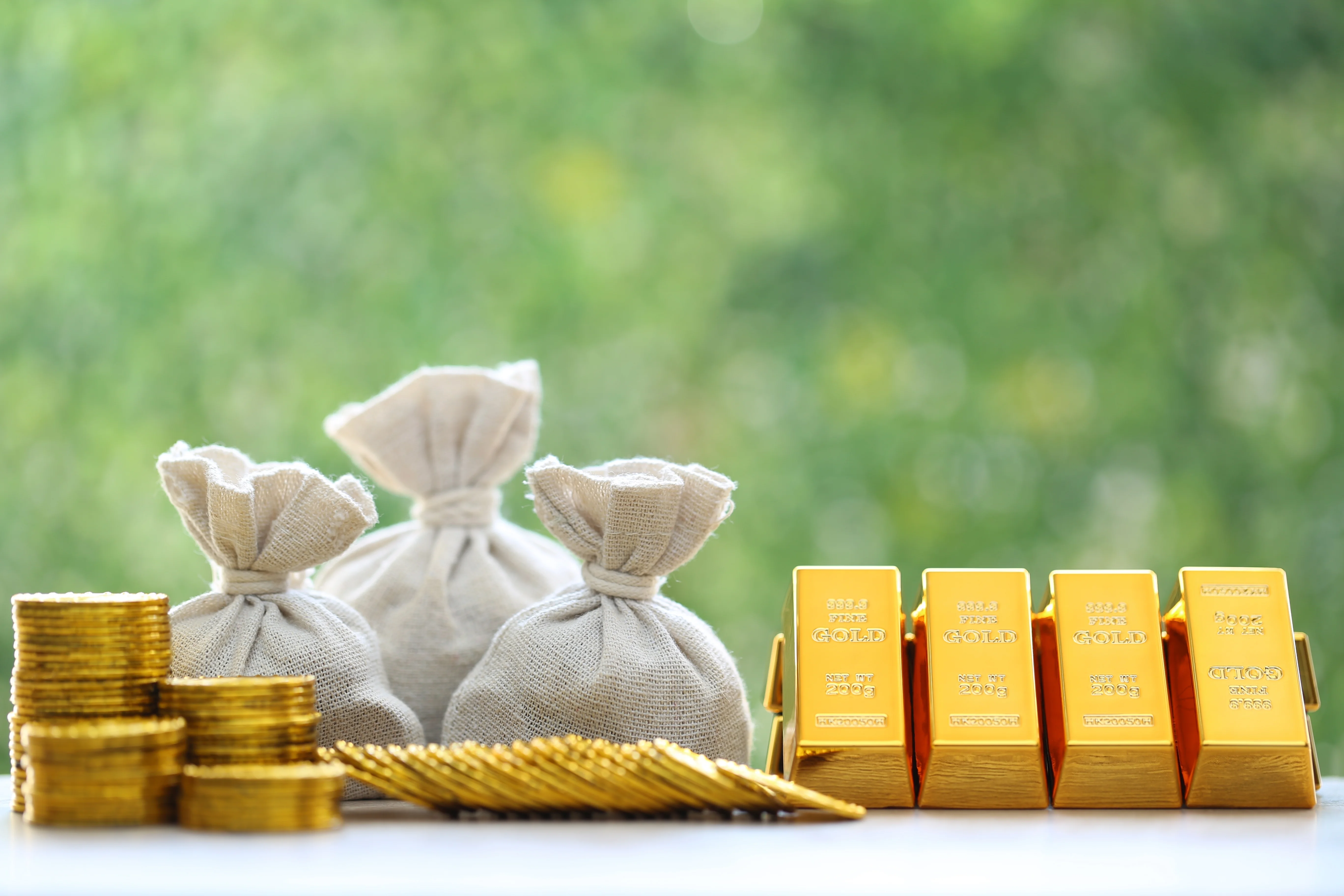
For centuries, gold has been a valuable asset of great monetary value. Be it old jewellery, coins, or bullion, selling gold is a good way to acquire a sizeable amount of extra cash. But wait before you sell that gold; there are a few things you need to consider. The right choices could bring you the best value for your gold and spare you from making common mistakes. Here are seven things to know before selling gold:
Gold isn't always pure; it's alloyed with other metals to enhance its strength. Purity is measured in karats: 24K signifies pure gold. Common gold purity levels include 22K, 18K and 14K. Before selling, know your gold's karats, or better take it to a reputable buyer for testing. The purer the gold, the more expensive it is likely to be.
Gold prices change every day based on global markets. Before you sell gold, check the current gold rate. This will give you an idea of how much you should expect. Keep in mind that buyers will not pay the exact market price since they need to make a profit. However, knowing the gold rate can help you negotiate a better deal.
Gold is priced based on weight, usually in grams. Some buyers may weigh your gold in a different unit to confuse you. Always ask for the weight in grams and double-check it with a reliable scale. If you have multiple gold items, weigh them separately to ensure accuracy before you sell gold.
Not all buyers offer the same price. Local jewellers, gold buyers, refiners or authorised buyback centres all have different pricing methods. Visit multiple places to get quotes and compare offers. Be cautious of buyers who pressure you into selling immediately. Taking your time can help you get a better deal.
Some gold buyers may charge hidden fees, refining charges, or service fees. Always ask for a clear breakdown of how they calculate the final amount. If possible, get the offer in writing. A trusted buyer will be transparent about any deductions before you sell gold.
Timing is crucial when selling gold. Gold prices rise and fall depending on economic conditions. If you can wait, track the market and sell when prices are high. Economic uncertainty, inflation, and global events can impact gold rates. Selling when rates are favourable can help you get better value.
Some gold buyers may ask for identification or proof of ownership, especially for large amounts. This is done to prevent stolen gold from being sold. Keep receipts, certificates, or any paperwork related to your gold. Having these documents can also help prove the authenticity and purity of your gold.
Before selling gold jewellery, check whether it has a BIS hallmark. Hallmarking is a purity certification for gold jewellery and artefacts. A hallmarked item carries key details such as the BIS mark, purity or fineness grade, and a six-digit HUID number. The HUID can be verified through the BIS Care app to check whether the hallmark details are genuine.
However, not every gold item needs a hallmark to be sold. BIS mandatory hallmarking mainly applies to gold jewellery and artefacts at the point of sale by jewellers. Sellers can still sell old hallmarked or un-hallmarked jewellery, but the final value will depend on purity testing, net weight and the gold rate on that day.
Gold coins and bars are treated differently from jewellery. The mandatory hallmarking order does not apply to gold bullion and coins in the same way. BIS states that the order applies to gold jewellery and artefacts only. Gold bullion and coins of 999 or 995 fineness may be hallmarked only by BIS-approved refineries or mints.
So, while hallmarking can support purity claims, it is not the only factor during resale. A trusted buyer will still test the gold, check the weight, remove or exclude non-gold parts such as stones or enamel, and then calculate the final value.
The final value of old gold is not based only on the gold rate shown online. It is calculated after checking the purity, net weight and gold rate applicable on that day. Purity shows how much actual gold is present in the item, while weight helps decide the quantity being valued.
For jewellery, the total weight may not always be counted as gold weight. Stones, beads, enamel, lac, hooks or other non-gold parts may be removed or excluded during valuation. This is why net gold weight is more important than the overall jewellery weight.
Gold coins and bars are usually easier to assess if they come with an invoice, original packaging, purity certificate or assay details. However, the buyer may still check the purity and weight before confirming the final amount.
Before selling, ask for a clear breakup of the calculation. The buyer should explain the purity, weight, rate used and any deductions, if applicable. This helps the seller understand how the final offer has been arrived at before completing the sale.
Yes, tax may apply when gold is sold for more than its purchase value. The full selling amount is not taxed. Tax is calculated only on the gain, which means the difference between the purchase value and the selling value.
The tax treatment depends on how long the gold was held. If gold jewellery, coins or bars are sold within 24 months, the gain is treated as short-term capital gain. This is added to the seller’s income and taxed as per their income tax slab. If the gold is sold after 24 months, the gain is treated as long-term capital gain and is taxed at 12.5% without indexation, as per current capital gains rules.
This is why sellers should keep purchase bills, sale receipts, valuation reports, purity certificates and bank payment records safely. These documents can help show when the gold was bought, its purchase value and the amount received after selling.
If the gold was inherited, gifted or bought many years ago, the tax calculation may need extra checking. In such cases, it is better to speak to a tax expert before selling high-value gold.
Selling gold can be a smart financial move, but it's important to be informed. Knowing your gold's purity, weight, and market value will help you get the best price. Comparing offers, checking for hidden fees, and choosing the right time to sell gold can make a big difference in how much you receive.
Always deal with reputable buyers and avoid rushing into a sale. With the right knowledge, you can ensure a smooth gold-selling experience. These tips will help you make the best decision.
Check three things before selling: purity, weight and the current gold rate. 24K gold gets a higher value than lower purity gold. Also check the rate for the day so you know if the offer is fair. It is always better to sell to a trusted buyer. MMTC-PAMP is your trusted place to sell old gold where the entire process is clear and transparent.
Selling gold is simple.
Get your gold checked for purity Check the current market rate Visit a trusted buyer Confirm the value and complete the sale
At MMTC-PAMP, purity is tested properly and the value is linked to the live market rate.
The value of old gold is based on its purity and weight. The starting point is the current rate for 24K gold, which is then adjusted based on the purity of your gold. For example, 22K gold will be valued lower than 24K. The final amount is calculated after considering weight and any applicable deductions.
To check the gold rate today, click here - https://www.mmtcpamp.com/gold-silver-rate-today
Gold prices can go down depending on market conditions.
Prices may decrease if:
Interest rates rise Global demand slows Currency strengthens
These factors can reduce demand for gold.
It first depends on the type of gold you have, such as coins, bars, or jewellery. The value is then calculated based on its purity and weight, along with the rate on that day.
When selling gold with MMTC-PAMP, the process is simple and transparent, and the amount is credited directly to your bank account.
Gold prices can increase based on market conditions.
Prices may rise when:
Inflation increases Currency weakens Economic uncertainty grows
In such situations, gold demand increases, which can push prices higher.
Both are linked to the same gold price, so the core returns are usually similar. The difference comes from costs and convenience.
Digital gold is easier to buy, sell, and track. There are no storage concerns. Physical gold gives you something tangible, but it may include making charges or storage costs. Over time, profitability depends more on when you buy and sell than the format itself.
Selling physical gold takes a few steps. The gold is checked for purity and weight, and then valued based on the rate of that day. The process may take time depending on the buyer.
Digital gold is quicker. You can sell it online at the live rate, and the amount is credited directly to your account. There is no need for testing or visiting a buyer.
Dhanteras is also known as Dhantrayodashi. It falls on the Trayodashi Tithi of Krishna Paksha in the Hindu month of Kartik and marks the first day of Diwali celebrations. The occasion is associated with Lord Dhanvantari, Goddess Lakshmi and Lord Kubera.
A beautiful necklace for the bride, gold coins for Diwali or a pair of bangles to mark a family celebration. Gold shopping is an important part of India's festive and wedding traditions, and these purchases come with considerable excitement.
A digital gold SIP is a recurring purchase feature within the existing digital gold service. Users decide the amount they want to purchase with each instalment and select how frequently those purchases should take place.