

Gold has been valued for centuries, but its journey does not end once it is turned into jewellery, coins, or other products. Unlike many materials that lose quality over time, gold can be recovered, refined, and reused again. This process is known as gold recycling.
As more people look to understand the value of unused jewellery and sell old gold responsibly, gold recycling has become an important part of how this precious metal remains in circulation. It helps bring existing gold back into use while reducing the need for fresh extraction.
Gold recycling is the process of recovering gold from existing items and refining it so that it can be used again. The recovered gold can be transformed into new jewellery, coins, bars, industrial components, or other products that require gold.
One of the reasons gold recycling is so valuable is that gold retains its fundamental properties even after being melted and refined. This allows the metal to move from one form to another while remaining a valuable resource.
An old chain, a broken bangle, a damaged coin, or even gold recovered from electronic devices can all become part of the recycling cycle.
Many people associate gold recycling only with old jewellery, but recycled gold can come from several sources.
Jewellery remains one of the largest sources of recyclable gold. Broken ornaments, outdated designs, mismatched pieces, and inherited jewellery that is no longer worn can all be recycled.
Gold coins and bars can also enter the recycling process. If they are damaged or no longer needed in their current form, the gold can be refined and reused.
Gold is used in various electronic components because of its conductivity and resistance to corrosion. Small quantities of gold can be recovered from electronic waste and processed for reuse.
Certain dental materials and specialised industrial products may also contain gold that can be recovered through refining.
Gold recycling is important for both economic and environmental reasons.
Gold is a finite resource. Recycling allows existing gold to remain part of the economy instead of being discarded or left unused.
A piece of gold that was purchased decades ago can still contribute value today because the metal itself remains valuable regardless of its age.
A circular economy focuses on using resources efficiently and extending their lifespan. Gold recycling fits naturally into this approach because the same gold can be refined and reused multiple times.
Instead of relying entirely on newly mined gold, recycled gold helps meet part of the demand through existing supplies.
Mining plays an important role in the global gold supply chain. At the same time, recovering gold from existing sources helps reduce dependence on new extraction.
By bringing previously used gold back into circulation, recycling contributes to more efficient use of available resources.
Many households own gold that is no longer being used. Gold recycling allows such assets to re-enter the market and contribute value again.
Whether the gold is transformed into a new product or sold for its metal value, recycling helps ensure that the resource continues to serve a purpose.
Gold recycling involves several stages designed to recover and purify the metal.
The process begins with the collection of gold-containing items. These items are examined to understand their composition and estimated purity.
Different categories of gold may be separated at this stage to ensure efficient processing.
The collected gold is melted at high temperatures. This converts jewellery, coins, scrap pieces, and other forms of gold into a workable state for further treatment.
Once melted, the gold undergoes refining. During this stage, other metals and impurities are separated from the gold.
Refining helps increase the purity of the recovered metal and prepares it for future use.
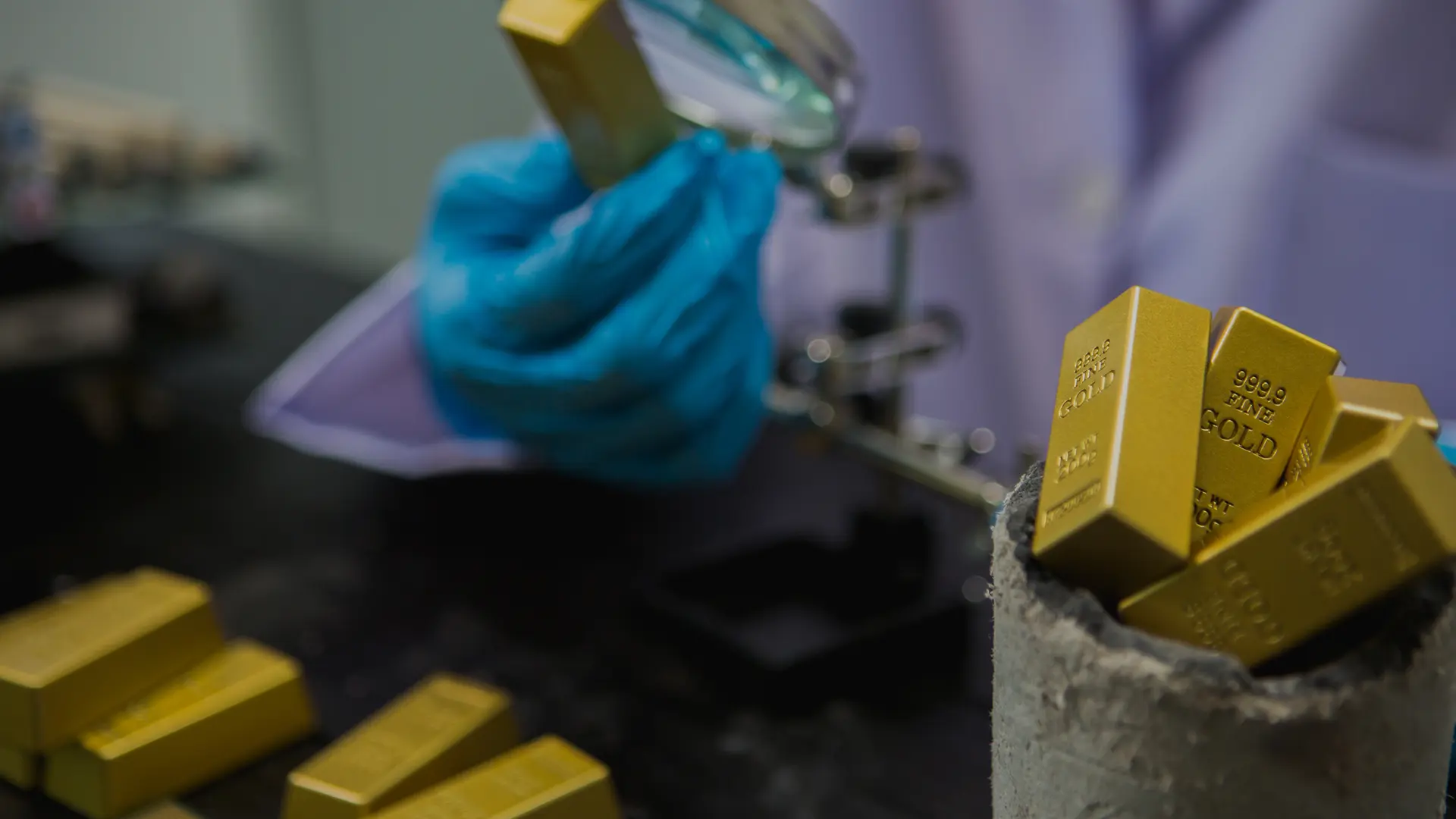
The refined gold is tested to confirm its purity. Various testing methods may be used during this stage, including advanced technologies that help determine the metal's composition accurately.
After verification, the gold is ready to be reused in different applications.
The value of recyclable gold is primarily linked to the amount of recoverable gold present in an item.
Gold purity plays a major role in valuation. Purity is commonly measured in karats and fineness.
For example, 24-karat gold is considered the purest form of gold and corresponds to 999.9 fineness.
The weight of the gold also influences its value. Once non-gold components are removed, the remaining gold content is assessed based on weight and purity.
Many jewellery pieces contain gemstones, enamel, lac, or other decorative elements. During recycling, the value is determined by the actual gold that can be recovered from the item.
This is why two pieces of jewellery of similar size may have different recyclable values.
Purity verification is an important part of the gold ecosystem. In India, BIS hallmarking helps indicate that a jewellery item meets recognised purity standards. A hallmark gives buyers more confidence about the purity of their gold.
However, hallmarking is not required for every gold article. As per BIS, mandatory hallmarking exemptions include gold articles weighing less than 2 grams, gold articles meant for export, industrial or dental use, gold thread, unfinished articles meant for further manufacture, gold bullion in forms such as gold bars, sheets, rods, wires and coins, and special jewellery categories such as Kundan, Polki and Jadaau.
Internationally, purity may also be expressed through fineness standards, which indicate the amount of pure gold present in the metal. These standards help create transparency and consistency during assessment and recycling.
The age of gold does not determine its intrinsic value. Gold retains value because of its metal content and purity.
Damaged or broken jewellery can still contain valuable gold that can be recovered through refining.
Gold recycling extends beyond jewellery and includes coins, bars, industrial products, and electronic components that contain gold.
Gold recycling has become an important part of the precious metals ecosystem. It allows existing gold to remain useful, supports more efficient resource use, and helps ensure that valuable metal is not wasted.
As awareness grows, more individuals and industries are recognising the importance of keeping gold in circulation. Whether it comes from an old ornament, a damaged coin, or an electronic device, recycled gold demonstrates that value can continue long after a product's original purpose has ended.
No. The recycling process is designed to recover and refine gold. The final purity depends on the refining process and the intended use of the recovered metal.
Yes. Gold can be melted, refined, and reused multiple times while retaining its essential properties.
Gold recyclers use purity testing methods such as XRF testing and fire assay. XRF technology is an industry-standard process that checks the metal composition without damaging the item. Fire assay is a laboratory method used for detailed gold purity verification.
Raksha Bandhan celebrates the bond of love, trust and support between siblings. A sister ties a Rakhi on her brother’s wrist and wishes for his happiness and well-being. The brother, in turn, promises to stand by her and support her through life.
Families gift it to celebrate milestones. Parents pass it on to their children. Jewellery is redesigned to suit changing tastes. Old ornaments are exchanged for new ones. Coins and bars become long-term savings. Every generation finds a different purpose for the same precious metal.
Selling gold may be a practical option when you need permanent access to funds and do not plan to keep the asset. Once the transaction is complete, ownership is transferred and there are no future repayment obligations. Here are some situations where selling gold make sense: