


Key Insights
Gold refining turns old jewellery, scrap and mined material into pure bullion. LBMA-accredited refineries follow strict global standards for purity, quality and responsible sourcing, which makes their gold trusted everywhere. Advanced refining removes all impurities and creates consistent, reliable bullion. As a result, LBMA-accredited gold is preferred by long-term investors.
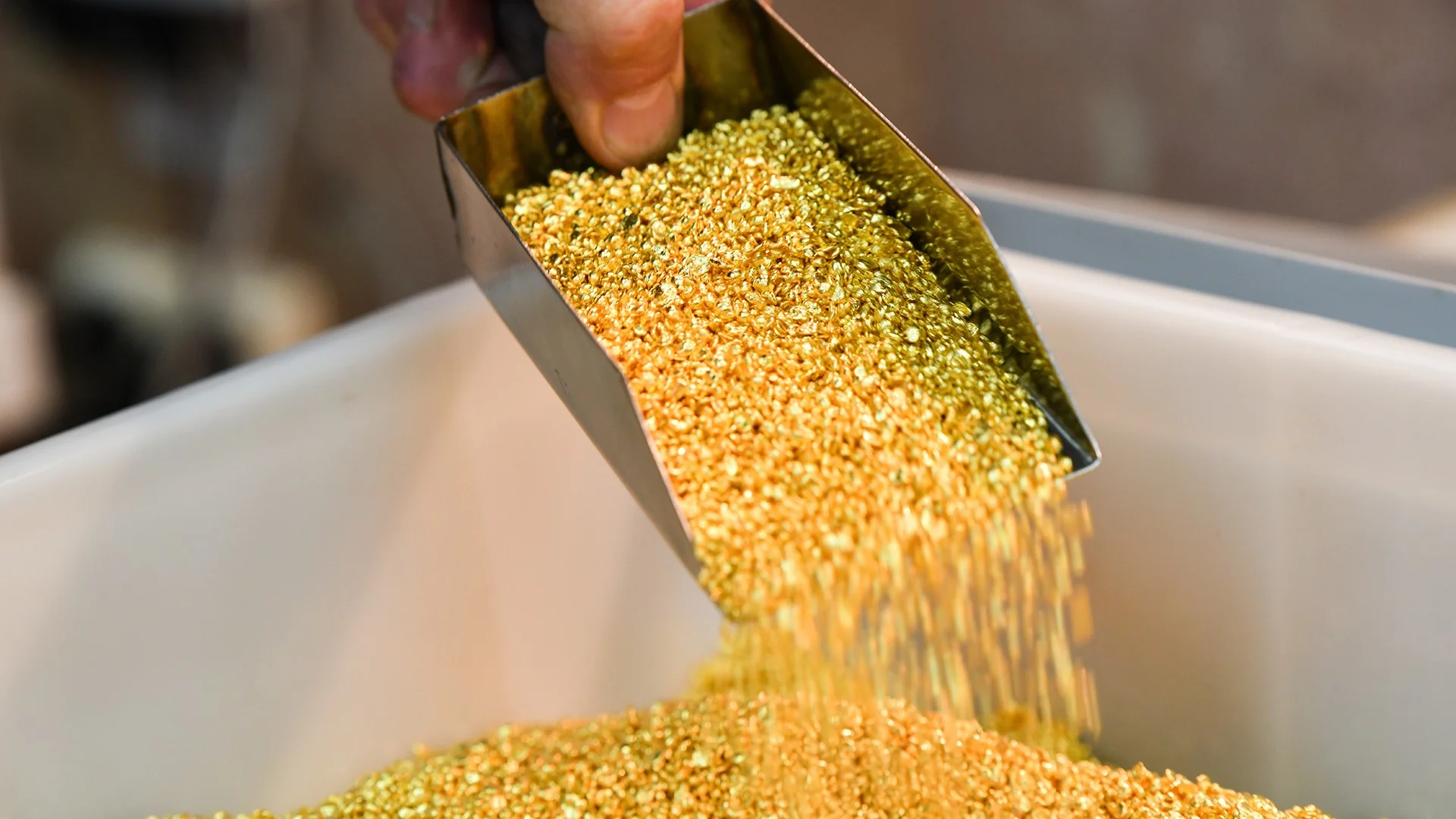
A gold refinery is the place where gold from mines, scrap jewellery, coins or industrial waste is converted into pure, investment-grade metal. Every stage involves science, testing and strict control. And when this happens inside an LBMA-accredited refinery, the gold meets global standards trusted in every major market.
This article explains how a refinery works, what LBMA means and why LBMA-certified gold has become an important choice for Indian buyers.
What Does a Gold Refinery Do?
A gold refinery takes gold in any form and removes every impurity until the metal reaches a very high purity level. The gold that arrives at a refinery is not always shiny or uniform. It may be broken jewellery, old bars, industrial scrap or raw mined material. So, the first task is to assess the purity through detailed inspection.
Once that is done, the gold smelting process begins. The metal is heated to extremely high temperatures. Melting helps the refinery mix the metal evenly and prepare it for deeper purification. From this point, the real work of separating gold from other metals begins.
Modern refineries use a mix of chemical treatment, electrolysis and advanced filtration. These steps remove copper, silver, nickel and other elements. By the time the process is complete, the gold can reach purities as high as 999.9+ parts per thousand. This is the level used for bullion bars, coins and digital-gold backing.
How is Gold Refined?
Every refinery follows a slightly different workflow, but the core steps remain similar.
Sorting and Inspection
The incoming material is sorted based on its type and purity. Gold from jewellery contains alloys, while gold from mining may contain minerals. Sorting ensures each batch receives the right treatment.
Melting and Sampling
The gold is melted in high-temperature furnaces. Once the metal becomes liquid, a small sample is collected and tested through an assay. This test tells the exact proportion of gold and other metals present. Accurate sampling guides the rest of the process.
Chemical Purification
Many refineries use aqua regia, a powerful mixture of nitric and hydrochloric acid. The gold dissolves in the solution, while impurities stay out. Later, a reducing agent is added, which helps gold reappear as pure particles.
Some refineries use electrolytic refining. Electricity helps separate gold atoms from the impure metal. This method is popular for achieving very high purity.
Final Casting
Once purified, the gold is melted again and poured into moulds to form bars or ingots. Each bar is cooled, cleaned and inspected. Weight, dimensions and purity are checked again. When all parameters meet the required level, the bar is stamped, sealed and prepared for distribution.
What is LBMA?
The London Bullion Market Association, or LBMA, is the organisation that sets global standards for gold and silver. It ensures that gold traded across countries follows the same rules for purity, appearance and responsible sourcing. When a refinery becomes LBMA-accredited, it means it has proven its ability to produce gold that meets strict international norms.
Why LBMA Exists
Gold moves across borders, banks and financial markets. A common standard is needed to avoid confusion. LBMA provides this standard. It ensures that gold refined in one country matches the quality of gold refined in another.
The Good Delivery List
LBMA maintains the Good Delivery List. Only a small number of refineries qualify. To get listed, a refinery must show:
strong technical ability
consistent production quality
financial stability
reliable documentation and traceability
LBMA audits refineries regularly to ensure they maintain these standards.
Strict Rules for Purity and Design
LBMA defines clear criteria for gold bars. These include:
minimum purity of 999.9‰
exact dimensions and weight
smooth and clean surface finish
correct markings with logo, serial number and purity
Any deviation can lead to rejection.
Responsible Sourcing Requirements
LBMA ensures gold comes from ethical sources. Refineries:
avoid supplies linked to conflict zones
prevent gold from illegal or unsafe mining operations
follow strict due-diligence steps
trace every batch from origin to output
This gives buyers strong confidence in the supply chain.
Why LBMA Matters to Indian Buyers?
For Indian investors, LBMA-accredited gold offers several advantages:
the purity is reliable
bars can be sold anywhere without re-testing
banks and gold loan companies value it accurately
serial numbers make verification easy
sourcing is ethical and transparent
The Benefits of Buying LBMA Certified Gold
Here are the reasons choosing LBMA accredited gold is beneficial:
Consistent Purity
LBMA certification ensures the gold meets global purity standards. This is useful for long-term investors and those who plan to pledge gold in the future.
Better Resale and Liquidity
LBMA bars are widely accepted. When buyers see the LBMA mark, they trust the quality instantly, which helps you get better value during resale.
Protection Against Counterfeit
LBMA bars come with serial numbers and strict documentation. This reduces the risk of fake or mixed-purity products entering the market.
Confidence in Ethical Sourcing
LBMA-approved gold follows responsible sourcing norms. Many Indian investors now look for gold that has a transparent and clean supply chain.
The journey of gold from scrap or raw material to a pure, shining bar is detailed and controlled. Inside a refinery, the metal is inspected, melted, purified and cast with careful precision. When this process is carried out inside an LBMA-accredited facility, the result is gold of the highest global standard.
LBMA-certified gold brings trust, liquidity and long-term value. Whether you buy bars, coins or digital gold backed by physical bullion, choosing LBMA-refined metal ensures that the gold you hold is pure, traceable and globally recognised.
This helps you invest smarter and choose gold that holds its value for years to come.
FAQs
What is the gold smelting process?
Gold smelting is the stage where raw or scrap gold is heated to very high temperatures so it melts. This liquid gold can then be chemically refined to remove impurities. It is a foundational step before further purification and casting.
What does it mean when a gold bar is LBMA-accredited?
An LBMA-accredited gold bar comes from a refinery approved by the London Bullion Market Association. This accreditation confirms that the refinery follows global standards for purity, bar design, testing and responsible sourcing. It is one of the strongest quality assurances you can get for bullion.
Why should I buy LBMA-accredited gold instead of regular gold bars?
LBMA-accredited gold provides higher trust and easier resale. The purity is verified, the bar markings follow global norms and every bar has a unique serial number. Long-term investors prefer it because it is accepted quickly in both Indian and international markets.
What purity do LBMA-accredited bars usually offer?
LBMA-accredited gold bars are refined to 999.9+ purity. This extremely high purity level comes from advanced refining methods and strict quality checks required by LBMA standards.
Gold is still commonly discussed in tolas in Indian households. A family might talk about gifting 5 tolas at a wedding or buying 10 tolas for a special occasion. But when you actually check gold coins, bars or current gold rates, the weight is usually shown in grams.
An 18K gold product tells you something about the gold. A 1-carat diamond tells you something about the stone. The words sound almost the same, but they measure completely different things.
Digital gold return is the gain or loss on the amount you have invested in digital gold. Digital gold does not earn interest. Its value changes with gold prices, while the amount you receive on sale depends on the provider's current sell price.