


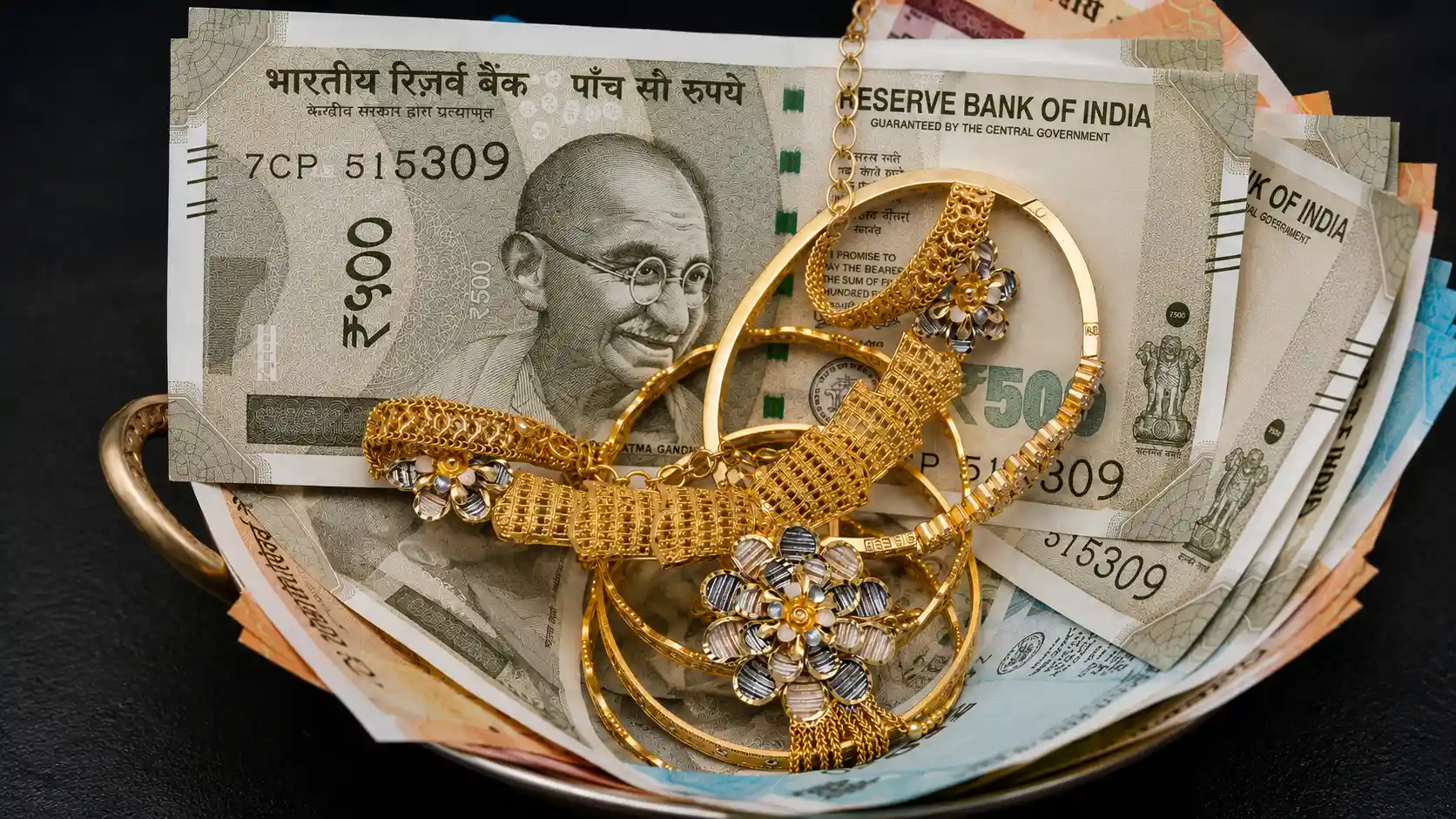
Gold often serves two purposes. It holds financial value and is also linked to family traditions, milestones and long-term savings. When an unexpected expense arises, many people wonder whether they should sell their gold or take a gold loan.
Both options provide access to funds, but they work differently. Selling gold gives immediate money by transferring ownership, while a gold loan lets you borrow against your gold and reclaim it after repaying the loan. The right choice depends on why you need money, how long you need it and what role the gold plays in your financial plans.
This guide explains when each option may be suitable and the factors to consider before making a decision.
Selling gold may be a practical option when you need permanent access to funds and do not plan to keep the asset. Once the transaction is complete, ownership is transferred and there are no future repayment obligations. Here are some situations where selling gold make sense:
Selling gold provides immediate liquidity without creating a loan obligation. This may be suitable when repayment is not practical or when you want to avoid future monthly commitments.
Broken jewellery, outdated designs or items that are no longer used can be converted into funds instead of remaining unused in storage.
If the funds are required for a long-term purpose such as reducing debt, making another investment or meeting a major financial commitment, selling may be more appropriate than taking on a loan.
Before deciding to sell, it is important to understand how the value of your gold is assessed.
The purity of the gold directly affects its value. Jewellery, coins and bars are evaluated based on their purity before the final value is determined.
While a bill is not always mandatory, having the original invoice or purchase documents can make the process smoother and may help during verification.
Different buyers may follow different evaluation methods. Understanding how the value is calculated helps you make an informed decision.
Gold prices change over time. Checking prevailing market prices before selling can help you decide whether it is the right time to sell.
Selling gold may have tax implications depending on the type of gold sold, the holding period and applicable capital gains provisions. Understanding these aspects beforehand can help avoid surprises later.
Choosing a trusted buyer is just as important as deciding to sell. At MMTC-PAMP, the selling process is designed to be transparent, secure and convenient.
Live XRF testing allows purity assessment in a transparent manner.
CCTV monitored evaluation provides added confidence during the process.
Gold is valued based on the prevailing market buyback rate.
Fast turnaround helps complete the process efficiently.
Gold products, including gold coins, bars and jewellery are accepted for evaluation.
Customers can also exchange old gold for MMTC-PAMP products.
When a Gold Loan Can Be the Better Choice
A gold loan allows you to borrow against your gold while continuing to retain ownership. Once the loan and applicable charges are repaid, the pledged gold is returned.
A gold loan may be suitable in the following situations.
If the requirement is temporary and you expect your financial situation to improve within the loan tenure, borrowing against gold may help bridge the gap.
Family jewellery and inherited gold often have emotional value beyond their monetary worth. A gold loan allows you to access funds without permanently parting with these assets.
If you wish to continue holding gold as part of your long-term financial planning, a loan allows you to retain ownership while meeting immediate cash requirements.
Since a gold loan must be repaid along with applicable interest and charges, it is important to borrow only when you are confident about repayment within the agreed terms.
There is no single answer that suits everyone. Instead of asking which option is better, ask which one fits your situation.
Selling gold may be suitable if:
you need permanent funds,
you do not plan to keep the gold,
you want to avoid future repayment obligations.
A gold loan may be suitable if:
your need for money is temporary,
you want to retain ownership of your gold,
you have a clear repayment plan.
Apart from the financial aspect, also consider whether the gold has sentimental value, whether you may need it in the future and how the decision fits into your overall financial goals. If you are uncertain, seeking guidance from a qualified financial professional can help you evaluate both options based on your circumstances.
Conclusion
Selling gold and taking a gold loan each serve a different purpose. One converts your gold into permanent funds, while the other provides temporary liquidity without giving up ownership.
The right choice depends on your financial needs, repayment capacity, long-term plans and the importance of the gold to you. Understanding these factors before deciding to ensure that your gold continues to support your financial goals.
It depends on your financial requirement. Selling gold may be suitable when you need permanent funds without repayment obligations, while a gold loan may be appropriate if you need temporary funds and want to retain ownership of your gold.
Many buyers evaluate old gold even if the original bill is unavailable. However, carrying the purchase invoice, if available, can help simplify the verification process.
The value is generally based on the purity, weight and prevailing gold price. The buyer's evaluation process may also influence the final amount offered.
Gold loans are secured against pledged gold. If the loan is not repaid according to the agreed terms, the lender may recover the outstanding amount as per the loan agreement and applicable regulations.
Yes. MMTC-PAMP offers exchange facilities that allow eligible customers to exchange old gold for new gold products instead of taking cash.
Planning money together does not mean both of you need to save in the same way. One person may prefer setting aside a fixed amount every month, while the other may contribute more when there is extra room in the budget.
A teacher may explain a difficult lesson, encourage you when confidence is low or give advice that stays with you years after you leave the classroom. Teachers Day is an opportunity to acknowledge that influence, whether with a handwritten note, a small token or a gift chosen especially for them.
Ganesh Chaturthi is one of those festivals that changes the mood of an entire home. The puja corner gets decorated, modaks appear in the kitchen, family and friends drop by, and the chants of “Ganpati Bappa Morya” become part of the days ahead.