


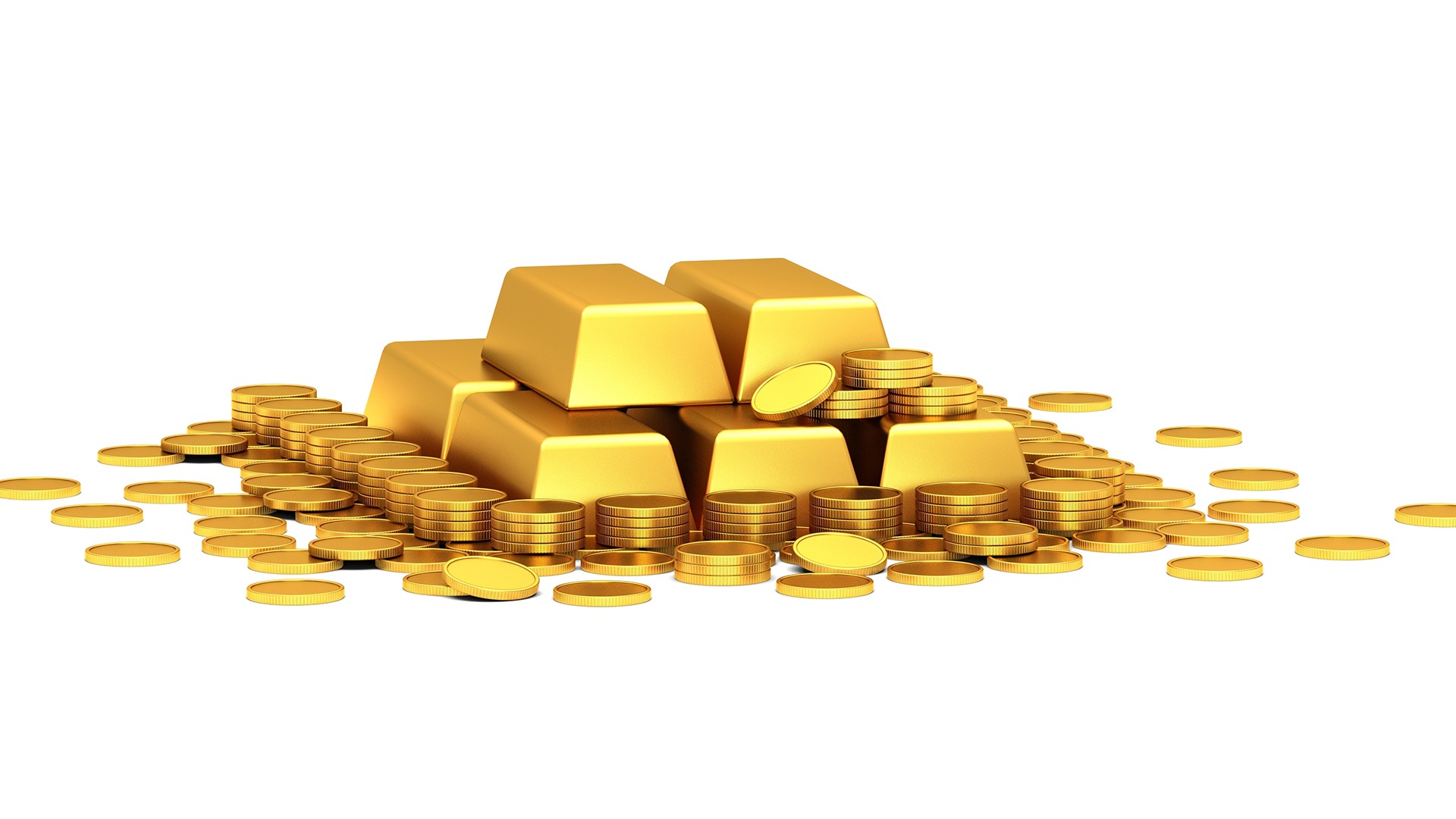
Gold, in the form of jewellery, coins, or bars, has always been a valuable commodity. Over time, you may wish to sell old gold due to financial needs, to upgrade your collection, or simply to declutter. But how can you be assured of getting the best deal when selling your gold? Here is a complete guide to walking you through the gold buyback process with confidence.
Understanding Gold Buyback
Gold buyback refers to selling your gold to a jeweller, gold dealer, or financial institution in exchange for cash. Weight, purity, and market rates are values that determine the price of gold. Knowing how the process operates will help you avoid being underpriced so that you can obtain the best rates at the time of sale.
Steps to Get the Best Value When You Sell Old Gold
1. Check the Current Gold Price
Research the live gold price before selling Prices of gold continuously fluctuate in global markets, so keep an eye on live prices for not to lose out when selling. Many financial news websites and online platforms show live gold rates.
2. Determine the Purity of Your Gold
Karat (K) is a unit whereby gold purity is measured. Gold purity status is thought to be best defined as pure; other mentioned qualities are mostly 18K, 14K, and 22K. However, the better the karat, the more value your gold. If your gold is hallmarked, then it becomes easier for you to determine its purity; if not, consult an authentic jeweller to test it.
3. Weigh Your Gold Accurately
Weight plays a crucial role in determining the value of your gold. Use a reliable weighing scale or visit a jeweller who provides an accurate reading. Remember that jewellers deduct the weight of stones and other embellishments while calculating the gold weight.
4. Compare Buyback Offers
Never settle for the first offer you receive. Visit multiple gold buyers, including local jewellers, pawn shops, and online gold buyers. Each buyer may have a different buyback rate, and comparing offers helps you get the best deal.
5. Understand the Deduction Charges
Gold buyers often apply deductions such as melting charges, refining costs, and processing fees. Ask for a detailed breakdown of these deductions before agreeing to sell. This ensures you don't lose a significant portion of your gold's value to hidden charges.
6. Choose a Trusted Buyer
When you sell old gold, trust and transparency matter. Look for reputable buyers with good reviews, proper certifications, and a history of fair transactions. Avoid dealing with unknown or unverified buyers to prevent fraud.
7. Get Payment Options in Writing
Clarify the payment method before finalising the sale. Reputed buyers offer instant cash, bank transfers, or digital payments. Avoid transactions that involve post-dated checks or uncertain payment timelines.
Where Can You Sell Old Gold?
1. Jewelry Stores and Gold Buyers
Most jewellery shops offer gold buyback services. Some even provide better prices if you exchange gold for new jewellery.
2. Pawn Shops
Pawn shops offer quick cash but may have lower buyback rates compared to specialised gold buyers.
3. Banks (Limited Option)
Some banks sell gold but do not buy it back. Check with your bank for policies before considering them as an option.
4. Online Gold Buyers
Several online platforms offer convenient gold-selling services. They provide free pickup, gold testing, and instant payments, making them a hassle-free option.
Tips to Maximise Your Gold's Value
Avoid Selling in a Rush: Wait for gold prices to rise before selling.
Keep Gold in Good Condition: Clean and maintain your gold to avoid unnecessary devaluation.
Check for Hallmarking: Hallmarked gold fetches better prices as its purity is assured.
Negotiate Smartly: If you've compared multiple offers, use that information to negotiate a better price.
Be Aware of Market Trends: Understanding when gold prices are high can help you sell at the right time.
Selling gold can be a rewarding experience if done wisely. Whether you're selling jewellery, coins, or gold bars, following the right steps ensures you get the best possible value. Always research, compare offers, and choose a trusted buyer before making a sale. The next time you decide to sell old gold, use these tips to maximise your returns and make an informed decision.
Gold is still commonly discussed in tolas in Indian households. A family might talk about gifting 5 tolas at a wedding or buying 10 tolas for a special occasion. But when you actually check gold coins, bars or current gold rates, the weight is usually shown in grams.
An 18K gold product tells you something about the gold. A 1-carat diamond tells you something about the stone. The words sound almost the same, but they measure completely different things.
Digital gold return is the gain or loss on the amount you have invested in digital gold. Digital gold does not earn interest. Its value changes with gold prices, while the amount you receive on sale depends on the provider's current sell price.