


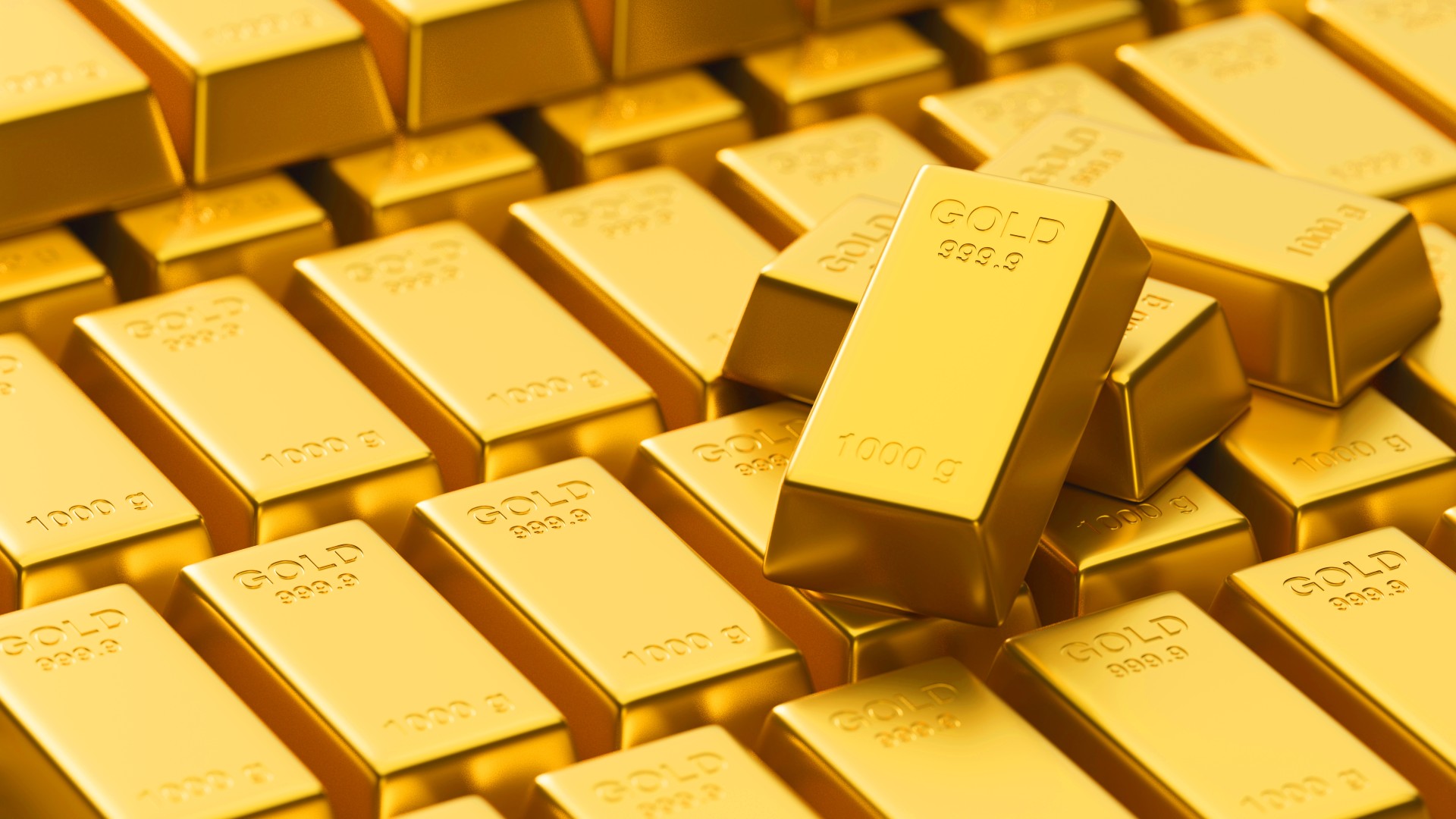
Gold has always had a role in world finance, but not because it's shiny (although it is), but rather because of it's value and stability in an uncertain world. Central banks around the world continue to hold gold today in their foreign reserves. Why? It acts as a shield against inflation, currency fluctuations, and financial uncertainty.
In 2026, many countries will continue to hold massive reserves of gold, showcasing their importance in the international economy. So which countries have large gold reserves? Let's take a look at the top 10 countries with the largest gold reserves in 2026 and see where India ranks on the list.
1. United States – Still the Unbeatable Leader
The United States is the clear winner with the largest gold reserves. As of February 2026, it is estimated that the country holds more than 8,133 tons of gold. Most of it is stored at Fort Knox and and the Federal Reserve Bank of New York. The enormous amount of gold reserves also supports the current strong global position of the US dollar.
2. Germany – Europe's Gold Giant
Germany ranks second with over 3,355 tonnes of gold in their reserves. A substantial portion of their gold is held in the Deutsche Bundesbank in Frankfurt, the Federal Reserve Bank of New York, and the Bank of England in London. Gold is an important part of Germany's financial security.
3. Italy – Trusts in Traditional Wealth
Italy remains in the third spot with close to 2,452 tonnes of gold. Even though the country has seen economic ups and downs, its central bank continues to rely heavily on gold as a long-term safe asset.
4. France – Holding Strong Despite Changes
With roughly 2,437 tonnes, gold is a very viable tool of the Central Bank (Banque de France) for controlling and managing monetary stability within the territory.
5. Russia – Consistent Accumulator of Gold
Russia holds over 2,332 tonnes of gold and has steadily accumulated it to reduce dependence on foreign currencies. Recently, it has also started selling physical gold from its reserves for the first time in 25 years to manage a widening budget deficit.
6. China – Gold as a Strategic Reserve
China has steadily increased its gold reserves and holds more than 2,264 tonnes. As the world's second-largest economy, China views gold as part of its larger strategy to support the yuan and reduce reliance on the US dollar.
7. Switzerland – Small Country, Huge Gold Holdings
Switzerland, known for its financial neutrality and banking strength, holds around 1,040 tonnes of gold (which is 6% of the world’s central bank holdings). Given its small population, Switzerland's per capita gold holding is one of the highest in the world.
8. India – A Nation That Loves Gold
India ranks 8th globally with about 822 tonnes of gold in its central bank reserves in 2025. That's not counting the tonnes of gold held privately by Indian households and temples, which is among the highest in the world.
For Indians, gold is more than just metal; it's emotion, tradition, and a symbol of wealth. Be it weddings, festivals, or savings, Indians trust gold as a safe investment. Many Indian families closely follow the gold rate, especially during Dhanteras and Akshaya Tritiya, when buying gold is considered auspicious.
9. Japan
Japan holds around 846 tonnes of gold in its reserves, managed by the Bank of Japan. The country follows a conservative and stable approach, with limited changes to its gold holdings over time. For Japan, gold is mainly a diversification tool within its broader foreign exchange reserves, helping balance risk rather than driving active accumulation.
10. Turkey – Balancing Currency with Gold
In 10th place is Turkey, with close to 550 tonnes of gold. The country has faced currency challenges in recent years and used gold as a buffer to maintain economic balance.
Why Do Countries Hold So Much Gold?
You might wonder, why are countries still stocking up on gold in a digital economy? Here's why:
• Gold never loses its intrinsic value. It remains valuable even when currencies fluctuate.
• Central banks use gold to diversify their reserves beyond paper currencies.
• In times of global economic stress, gold acts as a safety net.
Whether you're a central bank or a personal gold buyer, the reasons are often similar: long-term safety, trust, and stability.
How Does Gold Impact the Common Person?
While countries stock gold in tonnes, the average Indian tracks the gold rate daily, whether they're buying jewellery, investing in coins, or saving through digital gold. Many families pass down gold from one generation to another, not just for value but also for the sentiment it holds. For a gold buyer, 2026 continues to be a promising year. With global uncertainty and market fluctuations, gold remains a top pick for investors looking for a secure future.
Gold continues to shine in 2026, not just as a metal but as a powerful financial asset for countries and individuals alike. India holds its position on the list with pride, driven by its cultural and economic connection to gold. So, the next time you check the gold rate, remember, you're not just buying metal, you're part of a global story where nations guard gold as a treasure worth more than its weight.
FAQ's:
1. What is the importance of gold reserves?
Gold reserves act as a financial safety net for a country. They help support the value of the currency, provide stability during crises, and act as a reliable store of value when other assets become volatile. They are also used to manage risk in foreign exchange reserves and build trust in the country’s financial system.
2. Are gold reserves a good indicator of economic strength?
They are one indicator, but not the only one. Higher gold reserves can signal financial stability and strengthen global confidence in a country’s economy. However, economic strength also depends on growth, trade, currency stability, and policy decisions.
3. Why is Turkey selling gold?
Turkey has sold gold mainly to raise foreign currency and support its economy. In recent instances, gold was sold to stabilise the currency and manage rising costs and market pressure. Central banks may sell gold when they need liquidity or to manage short-term financial stress.
4. What is the rank of India in gold?
India is among the top 10 countries globally in gold reserves. Currently, it ranks at the 8th position.
5. Why don’t the US sell gold?
The United States holds the largest gold reserves in the world and treats them as a long-term strategic asset. Gold provides stability, supports confidence in the dollar and acts as a financial backup during global uncertainty. Selling large amounts could affect market confidence, so it is generally held rather than actively traded.
A digital gold SIP is a recurring purchase feature within the existing digital gold service. Users decide the amount they want to purchase with each instalment and select how frequently those purchases should take place.
Gold, in particular, has remained a favourite across generations. For many Indian families, bringing home gold during Dussehra is a way of celebrating success, welcoming new beginnings and owning something they can treasure for years.
Karwa Chauth brings an opportunity to celebrate that bond. With traditions centred around love and togetherness, the festival is also a chance to appreciate the person who shares life's biggest milestones and smallest joys with you.