


Key Insights
Gudi Padwa marks the beginning of a new annual cycle and symbolises renewal, progress and prosperity. Buying gold on this day blends tradition with financial awareness, making it a meaningful way for families to begin the year with stability and intention.
Introduction
Every culture has a moment in the year that feels like a reset. For many families in Maharashtra and across parts of India, that moment is Gudi Padwa. Celebrated as the Marathi New Year, it marks the beginning of the Chaitra month in the Hindu lunisolar calendar and usually falls in March or April.
Gudi Padwa is about starting fresh. Homes are cleaned, entrances are decorated, new clothes are worn and plans for the year ahead are discussed. Among all the customs associated with the day, one tradition continues to stand strong across generations: buying gold.
The Meaning Behind the Festival
Gudi Padwa marks the beginning of a new calendar cycle. It coincides with the arrival of spring and, in many regions, aligns with the harvest season. Traditionally, it represents renewal, growth and progress.
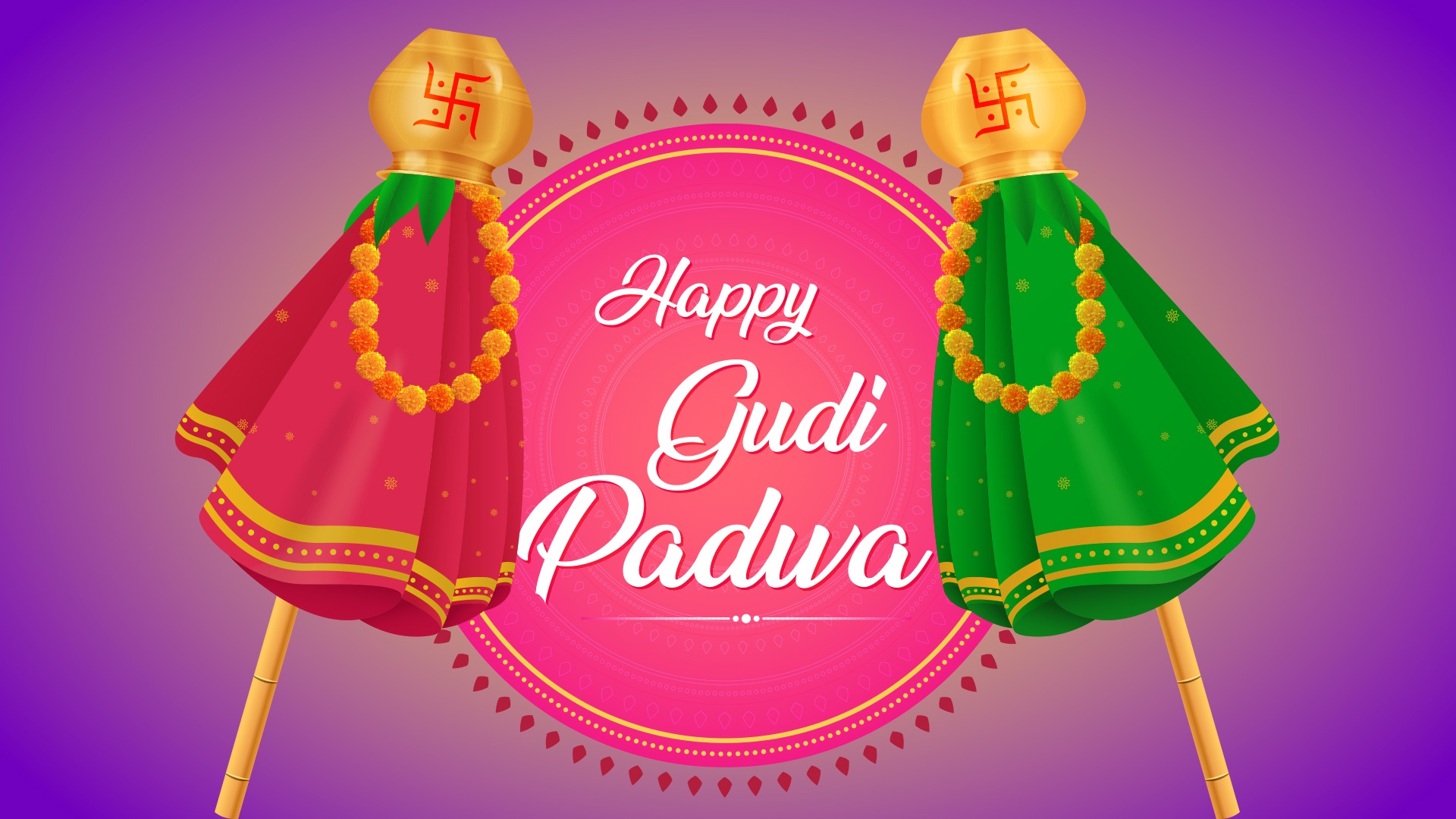
At the heart of the celebration stands the Gudi. A bamboo stick is wrapped in bright silk cloth, often yellow or green. Neem leaves, flowers and sugar garlands are tied around it and a copper or silver kalash is placed on top. It is hoisted outside the house, usually facing east or north.
For many households, it represents victory, success and positive energy for the year ahead. It is both decorative and deeply meaningful.
Food also plays a central role. Families prepare puran poli, shrikhand, batata bhaji and a special mixture of neem and jaggery. The neem and jaggery combination is significant. It reminds people that life will bring challenges and joys, both must be accepted with balance.
Importance of Gold on Gudi Padwa
Gold has always been more than ornamentation in Indian households. It is worn, gifted, saved and passed from one generation to another. On Gudi Padwa, it becomes a way of beginning the year with something valuable and lasting.
Represents Stability and Continuity
Gold holds both emotional and practical value within families. Pieces bought today often become part of future milestones. Purchasing gold on Gudi Padwa reinforces the idea of building something that stays with the family over time.
Marks the First Asset Purchase of the Year
Many families view Gudi Padwa as the start of a new financial cycle. Buying gold on this day feels like beginning the year with an asset rather than an expense. Even a small grammage Gold Pendant Oval Coin carries symbolic weight.
Turns Celebration into Something Tangible
Festivals are filled with rituals and meals that last a day. Gold remains long after the decorations are taken down. Years later, that coin or piece of jewellery still carries the memory of that particular beginning.
Small Purchases Build Meaning Over Time
Some families buy a small quantity of gold every Gudi Padwa. Over 5 to 10 years, these modest additions can grow into a substantial holding. That accumulated gold may later serve as wedding jewellery, support during emergencies or long-term family wealth.
Balances Faith with Practicality
The purchase feels auspicious, yet it is also sensible. Gold can be worn, stored, gifted or pledged if required. This balance keeps the tradition relevant in modern households.
What Do People Buy on Gudi Padwa?
The purchases vary depending on budget and goals.
Some common choices include:
Gold coins with traditional motifs
Lightweight bangles or rings
Traditional Maharashtrian pieces such as Thushi
Mangalsutra chains
Gold bars for pure investment
Digital gold
Younger buyers often look at investment-oriented options like digital gold. Families planning weddings may choose jewellery. Others prefer gold bars and coins that are easy to store and gift. Whatever the form, the focus remains the same. The purchase marks the beginning of the year with something valuable and lasting.
A Tradition That Connects Emotion and Planning
One reason this custom continues is that it connects emotion with practicality. A couple may buy gold on their first Gudi Padwa after marriage. Parents may purchase a coin when a child starts school. A business owner may invest in gold after a profitable year.
Over time, these purchases become stories. The gold holds not just monetary value but memory. This is what truly justifies the idea of Gudi Padwa as a festival of new beginnings with gold. The purchase becomes symbolic of intention, discipline and belief in a better year.
Beyond Gold: Other Fresh Starts
While gold remains central, many people also begin other commitments on Gudi Padwa. It is considered a good day to:
Start a new business
Sign important contracts
Buy property or vehicles
Open bank or demat accounts
Begin structured savings plans
Conclusion
When families choose to begin the year with gold, they are combining faith with financial awareness. That blend of emotion and discipline is what keeps this tradition strong year after year. It turns a festive custom into a lasting step towards security and continuity.
FAQs
Why is gold considered auspicious on Gudi Padwa?
Gold symbolises prosperity, stability and long-term security. Buying it on the first day of the year is believed to set a positive financial tone.
When is Gudi Padwa in 2026?
Gudi Padwa in 2026 falls on Thursday, March 19, 2026, as per the Hindu lunisolar calendar. The festival is observed on the first day of the Chaitra month, known as Chaitra Shukla Pratipada, which marks the beginning of a new annual cycle.
Is buying gold compulsory on Gudi Padwa?
No. It is a cultural tradition, not a requirement. The festival is about renewal and positive intention.
What type of gold is best to buy on Gudi Padwa?
This depends on your goal. Jewellery works for personal use, coins for gifting and gold bars for investment.
Can gold be bought online on Gudi Padwa?
Yes. At MMTC-PAMP, you can purchase 24K gold coins and bars through our online platform. You may choose secure home delivery or opt for store pick-up from a selected location.
A digital gold SIP is a recurring purchase feature within the existing digital gold service. Users decide the amount they want to purchase with each instalment and select how frequently those purchases should take place.
Gold, in particular, has remained a favourite across generations. For many Indian families, bringing home gold during Dussehra is a way of celebrating success, welcoming new beginnings and owning something they can treasure for years.
Karwa Chauth brings an opportunity to celebrate that bond. With traditions centred around love and togetherness, the festival is also a chance to appreciate the person who shares life's biggest milestones and smallest joys with you.