


Key Insights
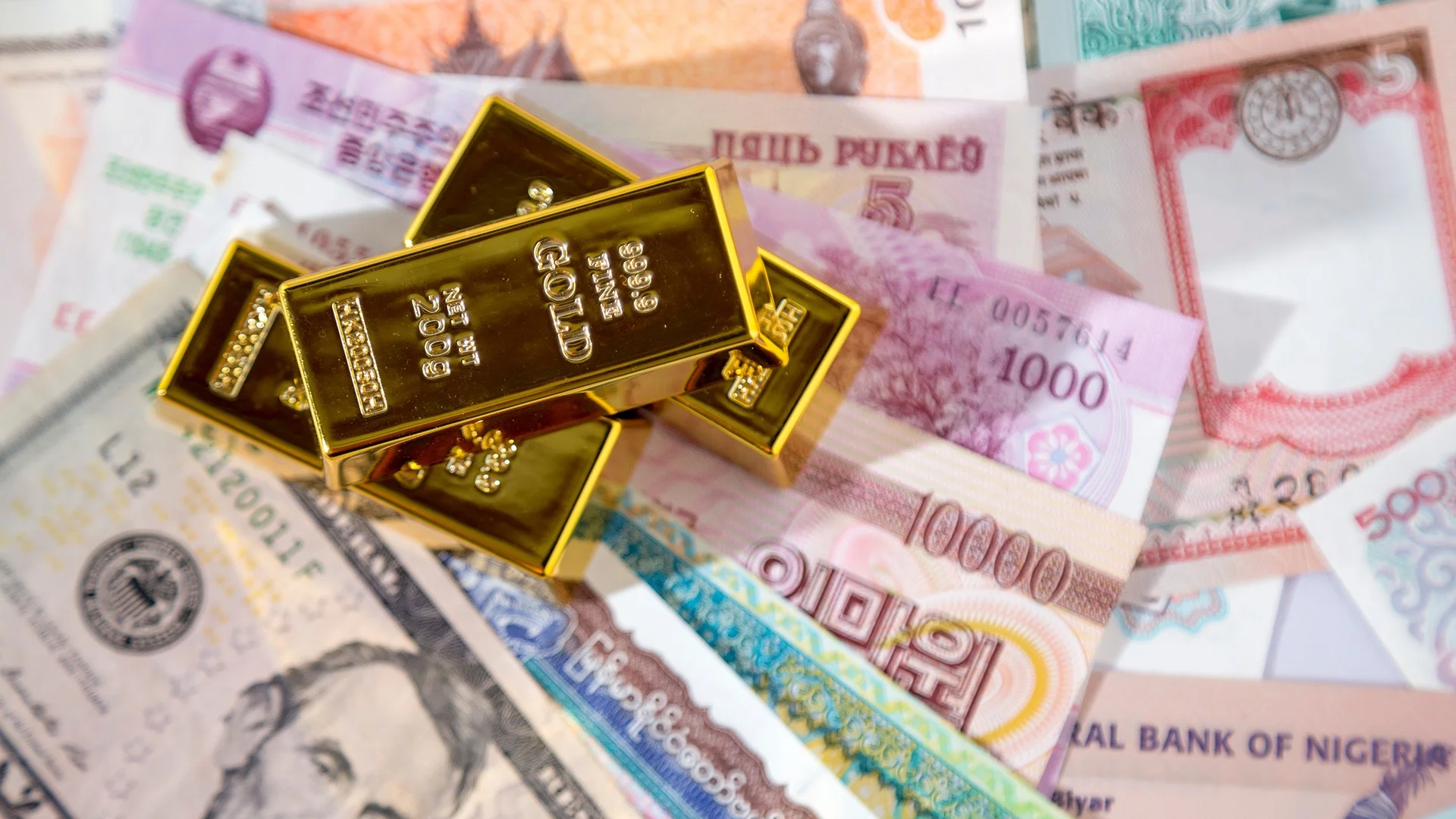
Foreign exchange reserves help a country manage currency movements, trade needs and external shocks. They act as a financial buffer during uncertain periods. Gold plays a supporting role within these reserves by adding diversification and stability beyond currencies and bonds.
Foreign exchange reserves are a quiet pillar of economic stability. They support trade, help manage currency movements and strengthen confidence in the financial system. In India, these reserves allow the economy to absorb global shifts with greater balance rather than abrupt reactions. Understanding how foreign exchange reserves work also explains why gold continues to play a meaningful role within them.
What foreign exchange reserves actually represent?
Foreign exchange reserves are assets held by a country’s central bank to manage its external obligations. In India, they are managed by the Reserve Bank of India. The reserves include foreign currencies, gold and international reserve assets.
These reserves exist so the country can meet international payment needs without disruption. They are not meant for everyday spending but act as a financial buffer that can be used when conditions turn uncertain.
Why foreign exchange reserves matter for the economy?
Foreign exchange reserves support the economy in several practical ways. Their impact goes far beyond currency markets and touches trade, inflation and investor confidence.
They help stabilise the rupee
When global capital flows shift suddenly, the rupee can face sharp pressure. Reserves allow the RBI to step in and smooth extreme movements, preventing panic-driven depreciation. This keeps import costs from rising too quickly and protects household purchasing power.
They ensure continuity of essential imports
India depends on imports for crude oil, fertilisers and critical raw materials. Adequate reserves ensure these imports continue even if export earnings slow or global financing tightens. This prevents supply disruptions that could affect daily life and industrial production.
They act as a crisis buffer
During global financial stress or sudden economic shocks, reserves provide immediate liquidity. This reduces the need for emergency borrowing and gives policymakers time to respond calmly. Economies with stronger reserves usually recover faster from disruptions.
They build global and domestic confidence
Strong reserves signal financial discipline to investors, lenders and rating agencies. This improves India’s credibility in global markets and supports steady capital inflows. Domestically, it reassures businesses that external shocks can be managed.
How reserves are used in real situations?
Foreign exchange reserves are actively managed rather than left untouched. The RBI adjusts its use of reserves based on market conditions, trade flows and financial stability needs.
When the rupee faces excessive volatility, dollars from reserves may be sold to stabilise currency movements. When capital inflows are strong, reserves are rebuilt to strengthen future buffers. This constant balancing helps keep markets orderly rather than reactive.
Why gold plays a unique role within reserves?
Gold is different from other reserve assets because it is not tied to any single country’s policies. It carries no default risk and has retained value across centuries of economic cycles.
For India, gold acts as a diversification anchor within foreign exchange reserves. While most reserves are held in foreign currencies and bonds, gold helps balance risks when financial markets become unstable.
Why central banks continue to hold gold?
Gold remains relevant for central banks because of how it behaves during uncertainty. Its role becomes clearer when comparing it with other reserve assets.
Gold protects against currency risks
When major currencies fluctuate or lose purchasing power, gold often holds its value. This helps preserve the overall strength of reserves during periods of monetary instability. It also reduces dependence on any single foreign currency.
Gold performs during global stress
Historically, Gold rates have tended to rise when financial markets weaken. This counterbalancing effect helps offset losses in other reserve assets. As a result, reserves remain more stable during crises.
Gold strengthens credibility and trust
A diversified reserve mix that includes gold signals long-term thinking. It shows that the central bank is prepared for multiple risk scenarios. This strengthens international confidence in the country’s financial management.
How gold fits into India’s reserve strategy
India’s approach to gold has evolved over time. Earlier, gold was seen mainly as a legacy asset. Today, it is viewed as a strategic reserve component that supports stability and diversification.
Gold holdings are adjusted gradually rather than aggressively. This allows the RBI to balance safety, liquidity and long-term value. It also aligns with India’s broader goal of reducing vulnerability to global financial shocks.
Common questions people have about reserves and gold
Many people wonder whether higher reserves automatically mean economic growth. Reserves do not create growth on their own, but they create stability. That stability allows businesses, investors and policymakers to plan with confidence.
Another question is whether gold replaces foreign currency assets. In reality, gold complements them. Currencies are essential for trade and payments, while gold strengthens resilience during uncertainty.
Why this matters beyond policy circles
Foreign exchange reserves influence everyday economic conditions even if they operate quietly in the background. Stable reserves help manage inflation, support trade and reduce the impact of global shocks on households.
Gold’s presence within reserves reflects both financial logic and long-term risk management. It connects modern monetary policy with a timeless store of value. For India, this balance is especially meaningful.
Foreign exchange reserves, supported by a thoughtful allocation to gold, form a strong foundation for economic stability. They protect the economy today and prepare it for tomorrow.
Gold is still commonly discussed in tolas in Indian households. A family might talk about gifting 5 tolas at a wedding or buying 10 tolas for a special occasion. But when you actually check gold coins, bars or current gold rates, the weight is usually shown in grams.
An 18K gold product tells you something about the gold. A 1-carat diamond tells you something about the stone. The words sound almost the same, but they measure completely different things.
Digital gold return is the gain or loss on the amount you have invested in digital gold. Digital gold does not earn interest. Its value changes with gold prices, while the amount you receive on sale depends on the provider's current sell price.